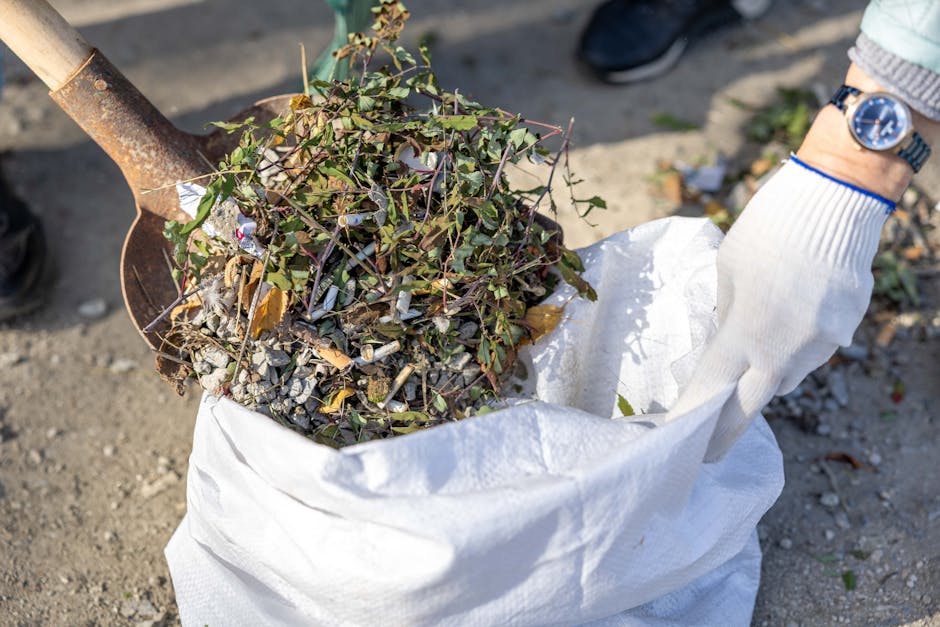
Kidbrooke garden clearance gardeners waste collection options
If your garden in Kidbrooke has tipped from "needs a tidy" into "where do we even start?", you are not alone. Old branches, ivy cuttings, turf, bags of soil, broken pots, a bit of fencing - it all builds up fast, especially after a big prune or a weekend overhaul. The tricky part is not just clearing it. It is choosing the right Kidbrooke garden clearance gardeners waste collection options for the job, so the space is cleared properly, the waste is handled safely, and you are not left with a second mess to sort out.
This guide walks through what the options actually look like in practice, how garden clearance works, when it makes sense to hire help, and what to ask before booking. You will also get a straightforward comparison of common collection methods, a checklist, and a few practical tips from the sort of jobs people tend to underestimate. Truth be told, most people do underestimate them.
Table of Contents
- Why this matters
- How the process works
- Key benefits and practical advantages
- Who this is for and when it makes sense
- Step-by-step guidance
- Expert tips for better results
- Common mistakes to avoid
- Tools, resources and recommendations
- Law, compliance, standards, or best practice
- Options, methods, or comparison table
- Case study or real-world example
- Practical checklist
- Conclusion
- Frequently asked questions
Why Kidbrooke garden clearance gardeners waste collection options Matters
Garden clearance sounds simple until you are knee-deep in green waste, old compost bags, and heavy clippings that refuse to stay in one neat pile. The actual job has two parts: clearing the garden and removing the waste in a sensible way. That second part is where the right option can save time, money, and a fair amount of stress.
In a place like Kidbrooke, where gardens vary from compact urban plots to larger family spaces, the waste profile changes a lot too. One garden might produce mostly hedge trimmings and grass cuttings. Another might need branches, roots, shed debris, soil, and mixed garden junk collected together. Not every waste option suits every job. And that is the key point people miss.
Choosing well matters because garden waste is not all the same. Soft green waste can often be composted or recycled more easily than mixed rubble, treated timber, or contaminated soil. A professional gardener or clearance team should be able to sort what can be reused, what needs separating, and what should be removed as general green waste. If they cannot explain that clearly, it is worth pausing.
There is also the practical side. A tidy border is one thing. Getting the waste loaded, transported, and disposed of responsibly is another. If you are planning a sale, a tenancy change, or simply want the garden usable again, the waste collection method can determine how quickly the whole project is finished. You want the garden back, not a row of bags sitting on the path for three days like an awkward little monument.
How Kidbrooke garden clearance gardeners waste collection options Works
Most garden clearance jobs follow a simple pattern, although the details vary depending on access, waste type, and volume. First comes the survey or initial discussion. Then the actual clearance. Then the waste collection method is matched to the material.
Typically, a gardener will assess whether the job needs one of a few common approaches: bagging and remove-as-you-go, loading into a van for direct disposal, scheduled waste collection, or a combination of on-site sorting plus a separate collection run. For bigger or more awkward jobs, the waste may be separated into green waste, wood, soil, and mixed debris before being loaded. That saves headaches later, especially if recycling is part of the plan.
In practical terms, here is what usually happens:
- The area is assessed for volume, access, and types of waste.
- Any items that should stay are set aside, such as plants to keep, pots, or usable timber.
- Waste is cut down, bundled, bagged, or loaded.
- It is then taken away by the gardener, a waste carrier, or another collection method agreed in advance.
- The garden is left tidy, or ready for the next phase such as replanting, turfing, or landscaping.
What looks like a simple clear-up can become more involved if the garden contains thorny hedge cuttings, wet soil, broken slabs, or overgrown roots. Wet waste weighs more than people expect, and a van fills up fast. One damp morning after a bit of rain can turn a light-looking pile into a surprisingly heavy load. Gardeners who do this regularly know that a visual estimate is only ever a starting point.
It also helps to understand the difference between clearance and maintenance. A one-off clearance is usually about removing accumulated material. Regular maintenance is more about keeping the garden manageable so waste does not build up again. If your space keeps getting out of hand, pairing clearance with ongoing garden maintenance can be the calmer, less dramatic route. Less drama is good. Gardens have enough attitude already.
Key Benefits and Practical Advantages
The right waste collection option is not just about convenience. It affects the quality of the clearance, the safety of the work, and how usable your garden feels afterwards.
- Less physical strain: Heavy bags, prickly cuttings, and awkward loads are hard work, especially if there are stairs, side access issues, or no easy way out.
- Faster turnaround: A well-planned clearance team can remove waste as they work, which means the garden is usable sooner.
- Better recycling potential: Separating green waste from mixed waste usually improves the chance of composting or recycling.
- Cleaner finish: A good collection plan avoids stray piles, missed corners, and the dreaded "we'll come back for that later" feeling.
- Safer working environment: Clearing tangled growth, broken branches, or hidden debris reduces trip hazards and cuts.
- Clearer pricing: When waste type and volume are understood upfront, quotes tend to be more reliable.
There is also a subtle but important benefit: the right collection method helps the garden feel reset, not just emptied. That matters if you are planning to replant, lay new turf, or start a more ambitious redesign. A proper clearance gives the next stage a better chance of succeeding.
Expert summary: The best garden waste collection option is usually the one that matches your access, waste type, and time frame, not simply the cheapest-looking choice. In most real jobs, the "best value" option is the one that avoids second visits and extra sorting later.
Who This Is For and When It Makes Sense
This topic matters to more people than you might think. Garden clearance and waste collection is not just for major renovations or neglected plots. Plenty of everyday situations lead to it.
You might need it if:
- your garden has become overgrown after a busy season
- you have cut back hedges, trees, or shrubs and now have a huge pile of green waste
- you are preparing to move house and need the outside space to look presentable
- you have inherited a property that needs a proper tidy-up
- you are planning landscaping and need the old material removed first
- your usual bins are nowhere near big enough for the amount of garden waste
It also makes sense if access is awkward. Some Kidbrooke properties have limited side access, narrow paths, or shared spaces where moving waste by hand can be awkward enough to make you sigh before the first bag is even lifted. In those cases, the right gardener or clearance team can save a lot of back-and-forth.
If you are only dealing with a few sacks of leaves, a lighter option may be enough. But if the job includes thick hedge cuttings, roots, or mixed material, it often pays to treat it as a proper clearance rather than a simple garden tidy. That small decision changes everything.
Step-by-Step Guidance
Here is a practical way to think through your options before booking anything.
1. Identify the waste type
Start with the basics. Are you dealing with green waste only, or mixed material? Green waste usually includes grass, leaves, hedge trimmings, small branches, and plant material. Mixed waste can include soil, old pots, broken fencing, timber, plastic planters, stones, and leftover garden features. The more mixed the load, the more important sorting becomes.
2. Estimate the volume honestly
People often underestimate volume. A pile that looks like "a few bags" can become several bin liners, a load of loose branches, and a heap of fine clippings that spread everywhere if the wind picks up. Stand back and look at the full pile, not just the neat top layer. If needed, take a few photos so you can compare options or request a more accurate quote.
3. Check access and lifting conditions
Can waste be carried straight out to a vehicle, or will it need to be bagged and moved through the house side passage? Is there a driveway? Is the ground muddy? Can a van park close by? Access changes the labour involved quite a lot. A job with easy parking and direct access is very different from one that involves a long carry through a narrow side return.
4. Choose the collection method
You can usually narrow it down to one of three approaches: DIY disposal, professional clearance with collection included, or a hybrid option where you do some of the sorting and a team handles the heavy lifting. If the material is bulky or repetitive, full-service clearance is often the simplest choice.
5. Confirm what happens to the waste
Ask how the waste will be handled. Will it be recycled, composted, or taken to a licensed facility? Will soil and hard materials be separated? This is not just a formality. It tells you whether the service is set up to manage waste responsibly, rather than just shifting it out of sight.
6. Book a time that suits the job
Timing matters more than many people expect. Dry weather is easier for lifting and loading, and mornings can be better if the job is large or noisy. If overgrown material has been left for months, getting it done sooner often avoids the issue getting bigger. Funny how gardens do that, quietly.
Expert Tips for Better Results
A few practical habits make a big difference.
- Separate waste early. Even a simple split between green waste and mixed rubbish helps the job move faster.
- Cut bulky material down where sensible. Long branches and brambles are awkward in a van. Shorter lengths are easier to stack and safer to handle.
- Keep reusable items aside. Good pots, edging, timber, or healthy plants should not get swept into the waste pile by mistake.
- Ask about recycling and sustainability. A company with proper recycling and sustainability practices can often divert more material away from landfill.
- Clear pathways first. The route out matters almost as much as the pile itself. If the access point is blocked, loading takes longer.
- Expect a bit of mess during the job. A good team will tidy as they go, but some leaf scatter and soil dust is normal before the final sweep.
One practical tip from experience: keep an eye on what is hidden beneath the top layer. Old twine, plastic tie wraps, broken canes, and random rubble often turn up once the clearing starts. That is normal, but it affects waste handling. Nothing ruins a tidy plan quite like discovering three old patio slabs under the hedge clippings.
If you are dealing with trees or tall shrubs, it can also help to think ahead about follow-up work. Sometimes a clearance leads straight into pruning or removal. In those cases, a service such as tree lopping and removal may be the sensible next step, especially where branches are blocking light or making the garden feel boxed in.
Common Mistakes to Avoid
Most problems with garden waste collection come from rushed decisions. A little planning avoids a lot of frustration.
- Choosing a collection method too quickly. The cheapest quote is not always the most efficient if it does not cover the full waste type.
- Mixing every material together without thinking. Green waste, soil, and builders' debris usually should not be treated the same way.
- Ignoring access limitations. A quote based on easy loading can change if the team arrives and discovers a long carry or locked gate.
- Not asking what is included. Some services include loading and disposal; others may not. Get clarity before the work starts.
- Leaving the job half-planned. If you know you will be replanting, paving, or changing the layout, plan the clearance around that next stage.
Another mistake is assuming all waste can just be stacked at the kerb and forgotten. Local collection arrangements and property boundaries vary, and leaving waste in the wrong place can create complaints or extra handling. Better to keep it neat and agreed from the start. Saves awkward conversations, which, let's be honest, nobody enjoys on a Tuesday morning.
Tools, Resources and Recommendations
You do not need a van full of kit to understand your options, but a few basic tools and habits help a lot.
- Heavy-duty bags or rubble sacks: Good for clippings, leaves, and smaller loose waste.
- Gloves and eye protection: Useful when handling thorny cuttings or sharp debris.
- Pruners, loppers, and a saw: Helpful if you want to reduce bulk before collection.
- A tarp or sheet: Useful for dragging waste across lawns or keeping piles contained.
- Measuring tape or a rough space estimate: Helps when judging load size and quote suitability.
If you are comparing service levels, it helps to review a company's broader offering as well, not just the clearance itself. A provider with a clear services overview page will usually make it easier to understand how clearance fits alongside hedge work, lawn care, and landscaping.
For jobs that are part of a larger outdoor refresh, it can also be useful to think about follow-on services such as landscaping or garden clearance if you are comparing how the work is structured. The main point is simple: choose a service setup that matches the end goal, not just the immediate mess.
Law, Compliance, Standards, or Best Practice
Garden waste removal is a practical service, but it still needs to be handled with care. In the UK, waste has to be managed responsibly, and anyone collecting it professionally should be able to explain how the waste is transported and where it goes. You do not need a legal lecture, but you do need basic reassurance that waste is being dealt with properly.
Here are the common-sense checks worth making:
- Waste carrier legitimacy: A professional service should be able to confirm that it is authorised to carry waste.
- Duty of care: Waste should be transferred to appropriate facilities, not dumped or left in unsuitable places.
- Safe handling: Sharp branches, heavy soil, and hidden debris should be managed with sensible precautions.
- Insurance and safety: For any work involving lifting, ladders, tools, or tight access, proper cover matters. You can review a provider's insurance and safety information for extra confidence.
On the best-practice side, sorting waste at source is usually the smartest move. Green waste is best kept separate from contaminated or mixed debris. Soil should be treated carefully because it adds weight and can be costly to move in bulk. Treated wood, old fixings, and non-plant material may need different handling. That separation is not just tidiness. It improves disposal options and usually makes the whole job smoother.
If you are arranging a service from a reputable local business, you should also expect straightforward communication about pricing, collection methods, and what happens if the waste volume is larger than expected. The clearer the conversation up front, the better the result. It really is that simple.
Options, Methods, or Comparison Table
Different waste collection options suit different jobs. Here is a practical comparison to help you decide.
| Option | Best for | Pros | Watch-outs |
|---|---|---|---|
| DIY disposal | Small tidy-ups and light green waste | Low direct cost, flexible timing | Time-consuming, transport needed, can be messy |
| Bag-and-remove service | Moderate clearances with manageable volumes | Simple, tidy, quick to organise | Bags still need loading and access space |
| Full professional clearance | Large, overgrown, or mixed waste jobs | Fast, less physical effort, usually better for bulky waste | Usually more expensive than doing it yourself |
| Hybrid approach | Jobs where you can sort some waste first | Balances cost and convenience | Needs clear communication to avoid confusion |
In a lot of real-world jobs, the hybrid approach is quietly the best value. You handle the easy bits - maybe bags of leaves or plant pots - and let a clearance team deal with the heavy stuff. That said, if you are short on time or dealing with a garden that feels like it has fought back, full-service collection can be the calmer choice.
If the work is part of a broader outdoor refresh, you may find it helpful to think in terms of the whole garden rather than one pile of waste. Services such as landscape gardening or even regular lawn mowing can make the difference between a one-off clean-up and a space that stays under control.
Case Study or Real-World Example
Picture a typical Kidbrooke garden after a wet spring. The hedge has run away with itself, the lawn is patchy, and the corner by the fence has become a small mountain of clippings, twigs, and old plant supports. Nothing extreme, just one of those gardens that quietly gets out of hand while life gets busy.
The owner initially thinks it will be a few bags. Once the team starts cutting back, the pile grows: long hedge trimmings, damp leaves, an old planter, a few hidden canes, and heavier material than expected because the soil has clung to the roots. The original plan was simple bag removal. But once access, load size, and mixed waste are considered, the better option becomes a full clearance with sorting on site.
The result is not just a tidier border. The whole garden feels different. Light reaches the back wall again. The path is usable. The owner can finally see the shape of the space. And because the waste was separated properly, the collection process was smoother than if everything had been lumped together. Small change, big effect.
That is the thing with garden clearance. The visible result is obvious, but the hidden value is in the decisions made before the first bag is lifted. Choose well, and the rest of the job gets easier.
Practical Checklist
Use this before you book any garden waste collection service.
- Identify whether the waste is green, mixed, heavy, or awkward to carry.
- Take rough photos of the piles and the access route.
- Measure or estimate how much waste there is.
- Check whether you want full clearance or just collection support.
- Decide if you want reusable items kept aside.
- Ask how the waste will be sorted and where it is likely to go.
- Confirm access, parking, and any restrictions on the day.
- Review insurance, safety, and waste handling expectations.
- Ask for a clear quote that includes loading and disposal where relevant.
- Plan what comes next: replanting, maintenance, landscaping, or a simple tidy-up.
If you can tick most of those boxes, you are in a strong position. Nothing fancy. Just a sensible plan. Gardens respond well to sensible plans, even if they do not always look like it at first glance.
Conclusion
Choosing the right Kidbrooke garden clearance gardeners waste collection options is really about matching the job to the waste, the access, and the outcome you want. A light tidy-up may only need bag collection. A bigger clear-out may need full removal with sorting and responsible disposal. The best option is the one that leaves your garden clean, manageable, and ready for what comes next.
Keep the waste type in mind, ask clear questions, and do not underestimate the hidden weight of damp clippings and mixed debris. A bit of planning now can save a lot of hassle later. And when the garden is finally open again, with space to breathe and light coming through the branches, the whole place feels better. Better in a way that is hard to explain until you see it.
Get a free quote today and see how much you can save.
Frequently Asked Questions
What are the main garden clearance waste collection options in Kidbrooke?
The main options are DIY disposal, bag-and-remove collection, full professional garden clearance, and hybrid services where you do some prep work and a gardener handles the heavy lifting. The best choice depends on waste type, access, and how much time you want to spend on it.
Is green garden waste handled differently from mixed waste?
Yes. Green waste such as grass, hedge trimmings, and leaves is usually easier to recycle or compost than mixed waste containing soil, timber, plastic, or rubble. Keeping it separate often improves disposal options and can make collection more efficient.
How do I know which waste collection option I need?
Start with the waste itself. If it is mostly light clippings and you have easy access, a simpler collection method may be enough. If the job includes heavy branches, soil, or awkward access, full clearance is often the better option. When in doubt, photos help a lot.
Can garden waste be taken away on the same day?
Often, yes, depending on scheduling, waste volume, and access. Small or medium jobs are more likely to be completed in one visit, while larger clearances may need more time. It is best to confirm timing when you book.
What happens to the garden waste after collection?
That depends on the service and the waste type. In many cases, green waste can be taken for composting or recycling, while mixed material may need different handling. A trustworthy provider should be able to explain the process in plain English.
Is it cheaper to do garden waste removal myself?
Sometimes, yes, especially for very small amounts. But once you factor in your time, transport, lifting, and disposal fees, DIY is not always the cheapest in real terms. For larger jobs, professional collection can be better value because it reduces hassle and avoids repeat trips.
What should I ask before hiring a garden clearance gardener?
Ask what is included in the quote, how the waste will be removed, whether sorting is included, what access is needed, and how they handle different waste types. It is also sensible to ask about insurance and safety.
Can soil, roots, and turf be collected with garden waste?
Yes, but they are often treated differently from lighter green waste because they are heavier and bulkier. Soil in particular can add a lot of weight quickly. It is best to mention these items upfront so the collection method is priced correctly.
Do I need to separate plants I want to keep before a clearance?
Absolutely. If there are plants, bulbs, pots, or materials you want to retain, make them obvious before work begins. Once clearing starts, things can move fast, and it is very easy for useful items to get mixed into the waste pile by accident.
How can I avoid paying for more waste collection than I need?
Sort the waste as much as you can, take photos, and give a realistic description of what needs removing. Clear access routes too. The more accurate the information, the less likely you are to get caught out by a bigger-than-expected load.
What if my garden access is difficult?
That does not rule out clearance, but it does affect the method. Narrow paths, long carries, or no driveway usually mean more labour and a slower process. Mention access issues early so the service can plan properly and give a fair quote.
Is garden waste collection the same as garden maintenance?
Not really. Garden waste collection is about removing material that has already built up. Garden maintenance is ongoing care to stop that buildup happening again. They work well together, but they solve different problems.
Should I choose a service just because it is the cheapest?
Not on its own, no. Cheapest can be fine for very small jobs, but for larger clearances you want clarity, proper disposal, and a finish that is actually tidy. A slightly better service can save time and trouble, and that counts for a lot.
What is the best next step if my garden is badly overgrown?
Start with an assessment of the waste and access. Then decide whether you need a one-off clearance, a collection-only service, or a broader plan that includes maintenance or landscaping. If the space feels overwhelming, that is normal. Break it into the first sensible step and go from there.
For a quick next move, review your garden waste, choose the simplest workable collection method, and get the outside space back under control one step at a time.